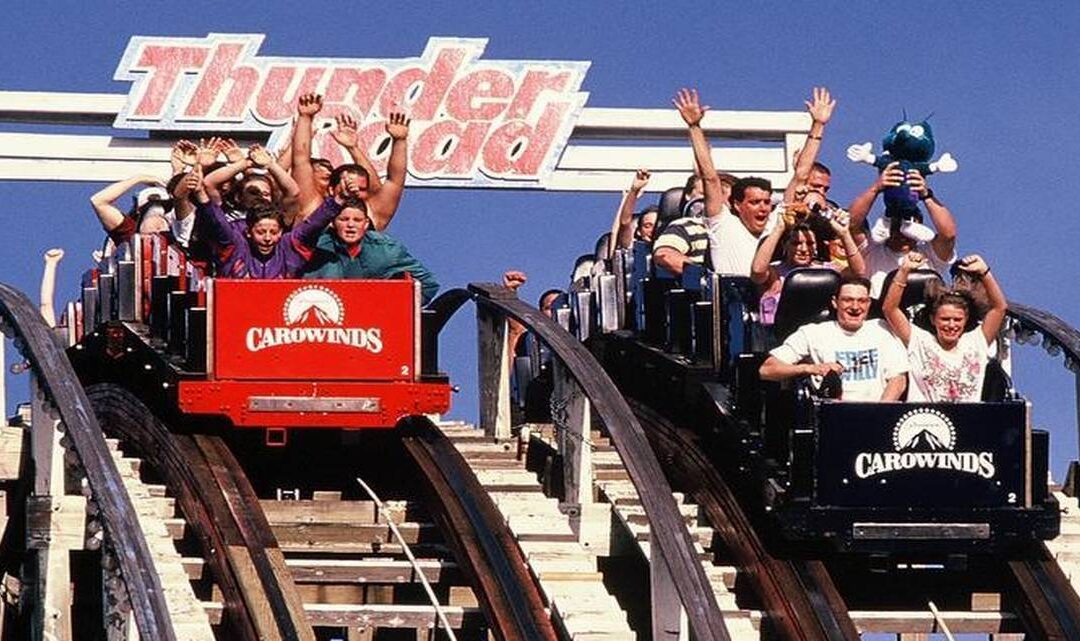
Okay, I admit it. I didn’t like the first time I rode a roller coaster.
I must have been about 10 or 12 years old when I hopped aboard Thunder Road at Carowinds near Charlotte, North Carolina. The wooden roller coaster bumped along so jerkily that I thought my teeth were going to fall out.
I “white-knuckled” it by hanging on until the ride was over. A few years later, I tried other roller coasters that I liked much better—ones that were faster but that weren’t so jarring.
White-Knuckling Your Sobriety
Thunder Road has since been replaced by Fury 325—the tallest, fastest, longest giga coaster in North America. Yet, many people experience the addictive recovery process in much the same way as that old, jarring roller coaster. They white-knuckle it.
Hanging on for dear life, hoping that if they can just handle it long enough, the trauma and behavior will pass, is a common strategy. In maintenance versus recovery, stopping the behavior of an addiction is a good beginning. But if there isn’t systemic recovery, the familiar cravings will inevitably come back.
In 12-step groups, there is an old line about the “dry drunk” who drops the alcohol but keeps the anger: “I quit drinking, but I’m as miserable as ever. Have I wasted all this time?”
What Does True Recovery Look Like?
What is true recovery? Simply put, it means doing the deeper emotional work.
True recovery requires looking at our childhood and family of origin, and evaluating the patterns we learned early in life. Consider these common survival strategies:
-
The Fixer: Did you grow up in a family where you felt like you had to take care of everyone else’s emotions just to feel wanted and needed?
-
The Pacifier: If you had an angry parent, did you learn to placate them and become a people pleaser?
-
The Invisible Child: Did you learn to withdraw, deny your own feelings, and stay out of the way to avoid conflict?
-
The Perfectionist: Did you learn to do things as close to perfect as possible so that no one could find fault or question your worth?
These childhood patterns may be painful to examine, but if they are not addressed, we will continue repeating them as adults. We might talk our way around difficult emotions and challenging situations in our lives. However, avoiding emotional depth means we cannot experience true recovery. We must address the underlying emotional distress that perpetuates the addiction cycle.
Moving Beyond Maintenance
White-knuckling is not the answer. In the long run, you will save yourself and your loved ones much grief by doing the deeper work of recovery and emotional growth.
When you move past mere behavioral maintenance and seek a place of openness, authenticity, and resilience, you will find a far more fulfilling life.
If you are tired of white-knuckling your recovery and want to build a foundation that lasts, you don’t have to navigate this process alone. Reach out today to explore how specialized counseling can help you transition from simply surviving to truly healing.
Tim Martin, PhD, CSAT, CPTT, CMAT is a psychotherapist specializing in sex addiction recovery, betrayal trauma, and couples healing after infidelity.