What do you do when your partner refuses to get help?
Despite repeated promises to stop having affairs, talking in online chat rooms, or acting out with a pornography addiction, the behavior continues. A painful pattern forms. Your partner maintains that “everything is fine,” or promises they will change “tomorrow” or “next week”—even though you both made a commitment to monogamy.
When your partner refuses to go to therapy, you are left holding the pain, wondering where to turn.
Shift the Focus to Yourself
The most crucial first step is to focus on yourself. I know that statement can sound counterintuitive or even alarming when you are reeling from their actions, but the reality is clear: You cannot force your partner to change; you can only change yourself.
The best move you can make right now is to stop trying to force your partner into a therapist’s office and instead find your own therapy.
You need a professional with the right specialized training to help you evaluate your options. A dedicated therapist can help you understand boundaries, establish accountability, and unpack the mechanics of addiction. If you are having trouble walking out the door or making a firm decision, a therapist provides a safe space to look at why that step feels so difficult.
The Danger of Empty Ultimatums
Without professional guidance, it is easy to set boundaries that backfire.
For example, suppose you give your partner an ultimatum: “You must attend a 12-step group meeting every day for a month.” It sounds reasonable enough on the surface. But if you haven’t thought through the consequences, you may have just shot yourself in the foot.
What happens when, after a month of compliance, your partner says, “Very well, honey. I did what you wanted me to do, now leave me alone. I’m not going back.”?
If you aren’t genuinely prepared to leave the relationship because financial realities, legal ties, or family obligations hold you back, an empty ultimatum only weakens your position. A therapist helps you design realistic boundaries that you can actually maintain.
Why a Specialized CSAT Matters
If your partner’s struggles involve infidelity, porn addiction, or compulsive sexual behavior, generic therapy often isn’t enough. You specifically need a Certified Sex Addiction Therapist (CSAT).
While many clinicians are excellent at general relationship counseling, most are not trained in the complex nuances of sex addiction and betrayal trauma. Partnering with a specialized professional who understands this specific landscape makes all the difference.
Take the first step for your own peace of mind. Begin with yourself. I would be honored to work with you and help you navigate this journey. Reach out today, and let’s look at your options together.
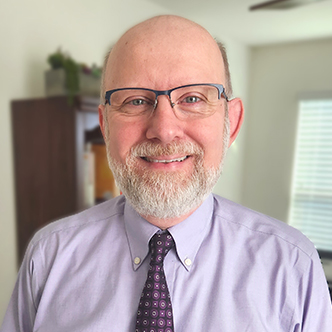
Tim Martin, PhD, CSAT, CPTT, CMAT is a psychotherapist specializing in sex addiction recovery, betrayal trauma, and couples healing after infidelity.